

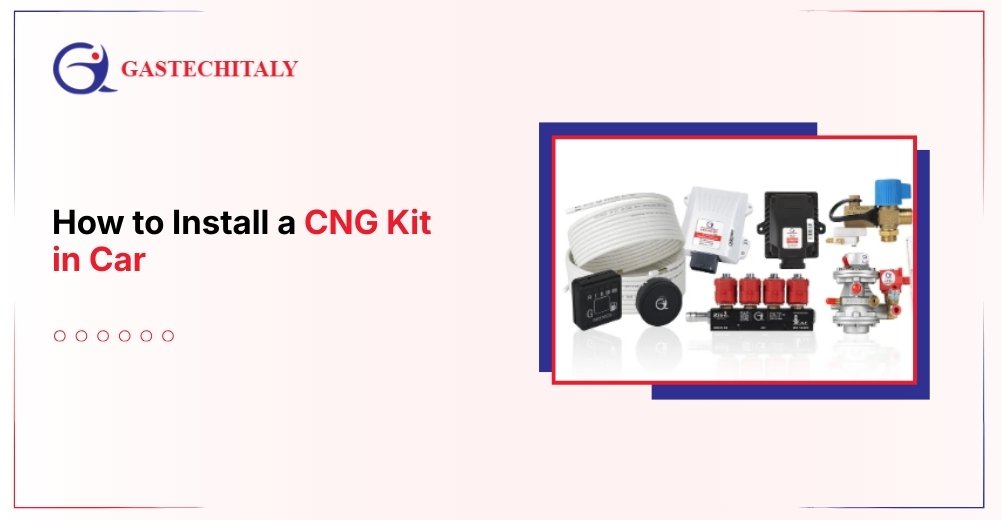
How to Install a CNG Kit in Car

Changing your car’s fuel type to CNG (Compressed Natural Gas) is one of the best ways to cut costs on fuel and be slightly more environmentally friendly. While it might seem like a complicated process if you’ve never done it before, it’s actually quite simple, provided you know what to expect. Here’s how to install a CNG kit in car.
Choose a Good Workshop
Not every garage can handle Install a CNG Kit in Car. You need a certified workshop that knows what they’re doing. The right workshop makes a big difference because safety is critical. CNG is safe when installed correctly, but mistakes can be dangerous.
Ask your friends, read reviews, and check the credentials of the workshop. A good workshop would ensure your car runs smoothly without leaks or engine problems.
Pick the Right Kit
Not all CNG kits are the same. Different vehicles require different kits. A mechanic would be able to check your car and install a CNG Kit in Car.
While buying a CNG kit, remember the following:
- Make sure the kit matches your car model.
- Don’t buy the cheapest kit. Cheap kits might give you more trouble.
- Check the size of the cylinder to see if it fits in your boot comfortably.
- Quality matters—spend a little extra now, and it will save you trouble later.
Prepare Your Car
Before the kit is installed, your car needs some prep. Clear the boot, the engine area, and the fuel system. This will help the Install a CNG Kit in Car run faster without any delays.
Installing the Cylinder
The cylinder is the center of the installation. It goes into your boot. The installation must be done with caution. In the workshop, the following will be done:
- Secure the cylinder with strong brackets
- Make sure it does not touch anything sharp
- Make sure it does not move while driving
This process may seem very simple, but it is very important.
Connecting the Engine
After the cylinder is securely fixed, the gas is connected to the engine with the help of a regulator and injector.
The mechanic will ensure:
- All connections are tight
- There are no leaks
- Everything is aligned
It is important to note that a proper connection is crucial for the smooth running of the engine.
Dashboard Switch and Indicator
The next step is the switch and fuel indicator. This switch enables you to switch between petrol and CNG, and the indicator shows the level of the gas.
The mechanic will install the switch so that it is easily accessible, and the fuel indicator sensor will be connected to the cylinder. This step can then be tested.
Testing Everything
The final step is the testing of the system. This includes:
- Testing for leaks
- Starting the car using CNG
- Driving the car for a short distance to test the acceleration and switching between fuels
It is important to note that testing everything must never be skipped. This is the only way to ensure your safety.
Maintenance Tips
Installing the kit is not the end of the process. Proper maintenance is essential to ensure the smooth functioning of the CNG kit.
- Check the connections regularly
- Replace the filters regularly
- Take good care of your engine
Proper maintenance is essential to ensure that your CNG kit lasts for years without any problems.
FAQs
Can I install the CNG kit myself?
No. CNG kits should be installed with proper tools and expertise. Always go to a certified workshop.
Will my car lose power?
Most cars adjust well. You might notice a tiny drop, but it’s usually not noticeable.
How long does it take?
One or two days, depending on the workshop and your car.
Is it safe for older cars?
Only if the engine is in good condition. A worn-out engine might struggle with CNG.
How much does it cost?
It will depend upon your vehicle and the kit, though, but the fuel efficiency will be well worth it in the long run.
Conclusion
Install a CNG Kit in Car is not a very difficult task if you are well-prepared for it. You must get it done from a good workshop, purchase a good quality kit, and then get it serviced regularly. Once it’s done, you can drive your vehicle safely with CNG, save money on fuel, and also do your bit for the environment.
Follow us on Facebook and Instagram for more car tips, CNG updates, and fuel-saving hacks!